The Duke of Edinburgh in Lynton & Lynmouth
There is a special place in the heart of Lynton & Lynmouth for the HRH Prince Philip. The Duke of Edinburgh visited in 1952 and 2002.

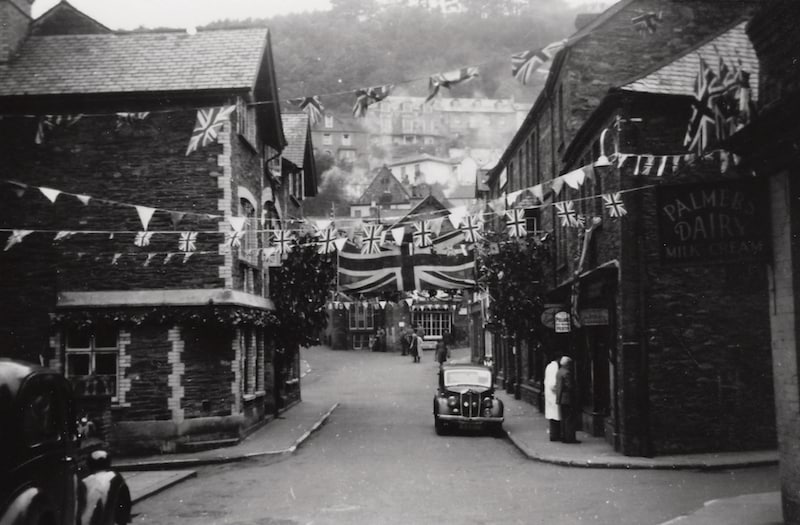
Look up at the rugged steep-sided hills and they tell you of ancient times when these places were remote and the folk who lived here were fierce and unwelcoming. Hill forts guard the villages from above where the East and West Lyn rivers rush into the sea.
The windblown heaths and deep coombes are romantic places where battles were fought, outlaws lived and hardy Devon farmers grappled with nature. Thatched cottages march down the hill to Lynmouth where fishermen and smugglers garnered a dangerous harvest from the sea.
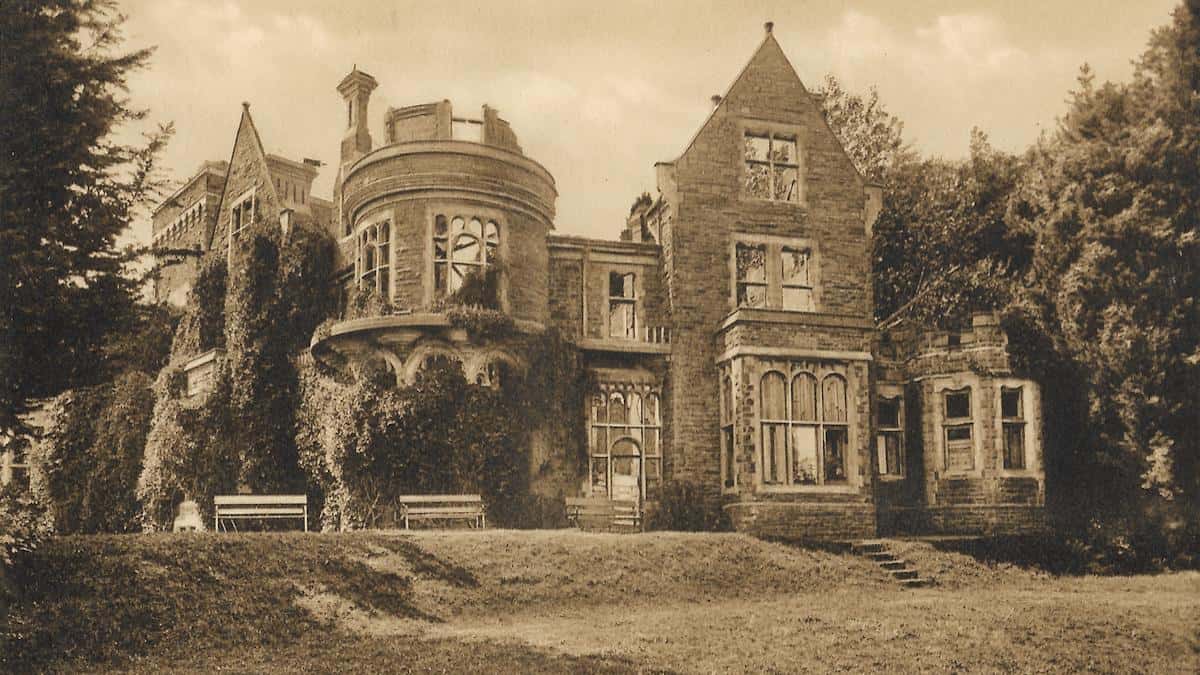
When the tourists came in the nineteenth century, led by the Romantic poets who christened the place ‘Little Switzerland’, luxurious villas and hotels were constructed, clinging to the cliffsides, and so came the wealthy, the writers and the artists who made this place famous. Stories of the past are all around you.
The Lynmouth Flood is, without doubt, the most disastrous event to happen to Lynton & Lynmouth in its entire history.
This massive flood event occurred in 1952 on the night of the 15th of August, and directly impacted the village of Lynmouth, with devasting effects. It was a horrifically perfect combination of events that lead to the flood. A heavy storm laden with rainfall, combined with already saturated soil and flood debris, led to the flooding of Lynmouth and the tragic loss of 34 lives.
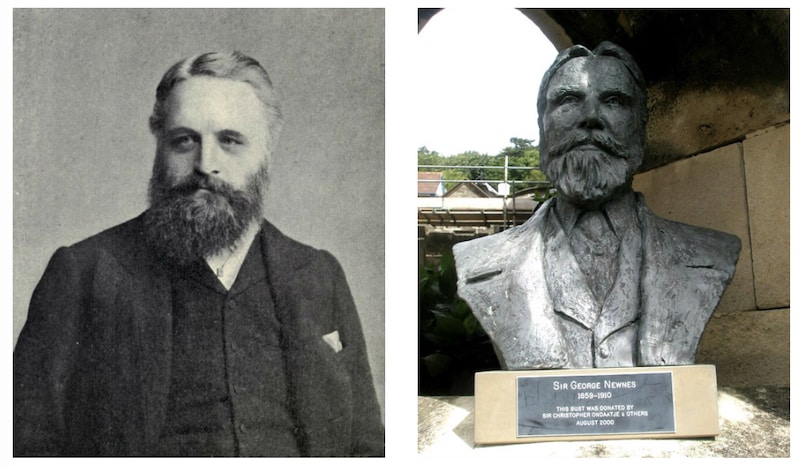
Take a deeper dive into Lynton & Lynmouth’s rich and turbulent past. Learn about our heroes and heroines and how they helped forged our beautiful towns. Read more about the devastating flood of 1952 and the rise and fall of George Newnes.
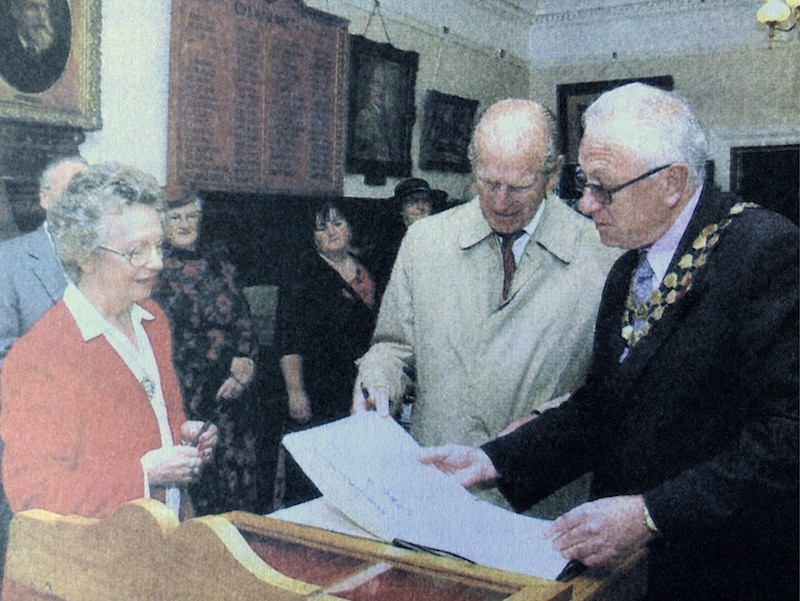
There is a special place in the heart of Lynton & Lynmouth for the HRH Prince Philip. The Duke of Edinburgh visited in 1952 and 2002.
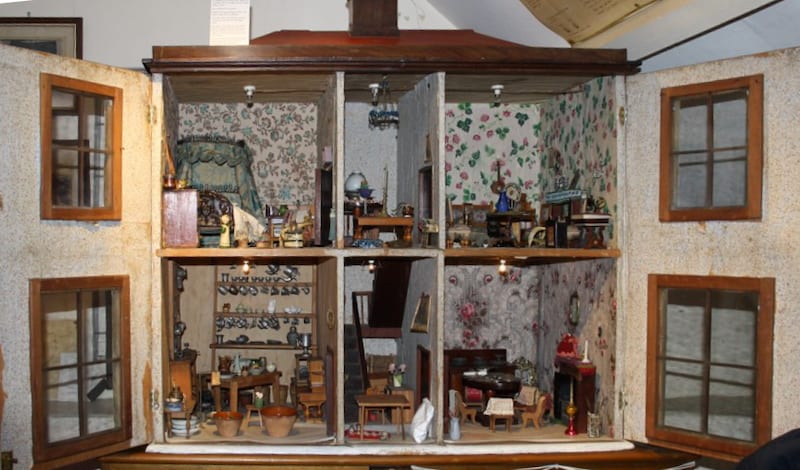
The Lyn and Exmoor Museum is a fascinating little place, stuffed to the brim with all kinds of interesting things
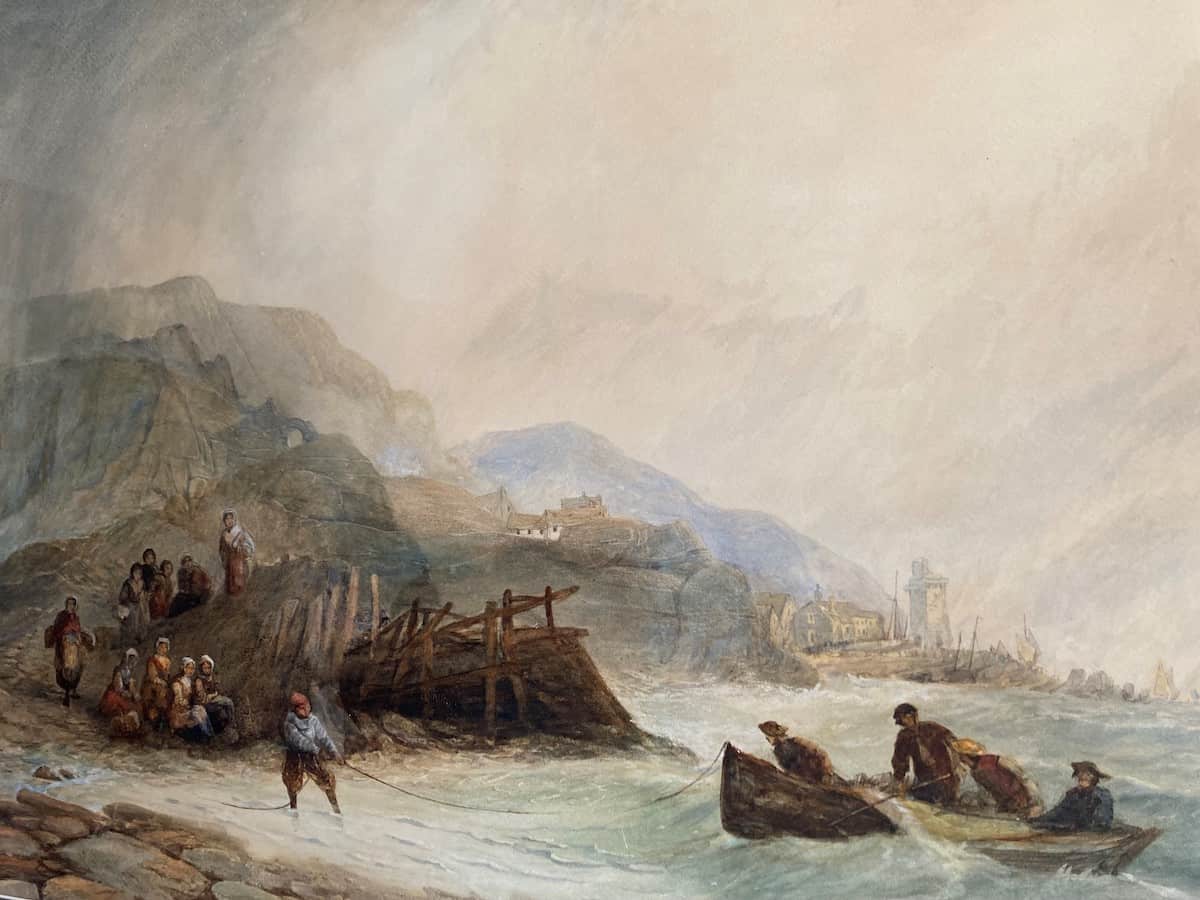
Discover the untold stories of ordinary folk in Lynton and Lynmouth, their vibrant spirit, and their role in shaping this Victorian-era town.

Lynmouth suffered one of the worst floods in English history.
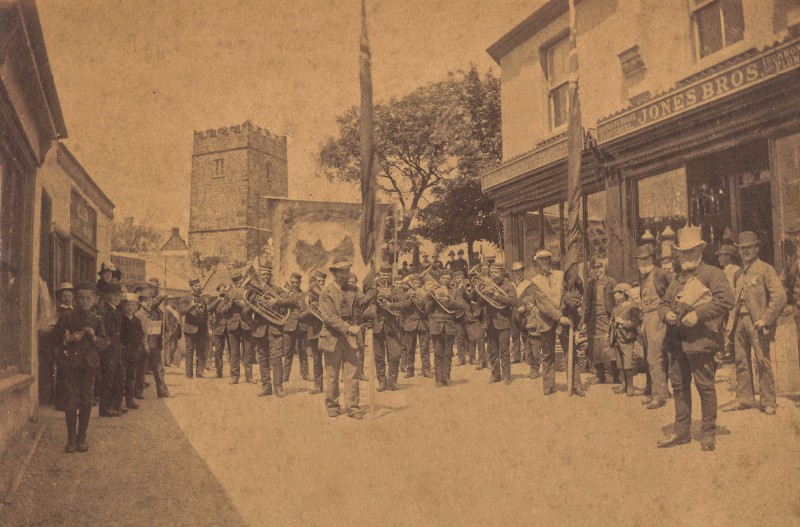
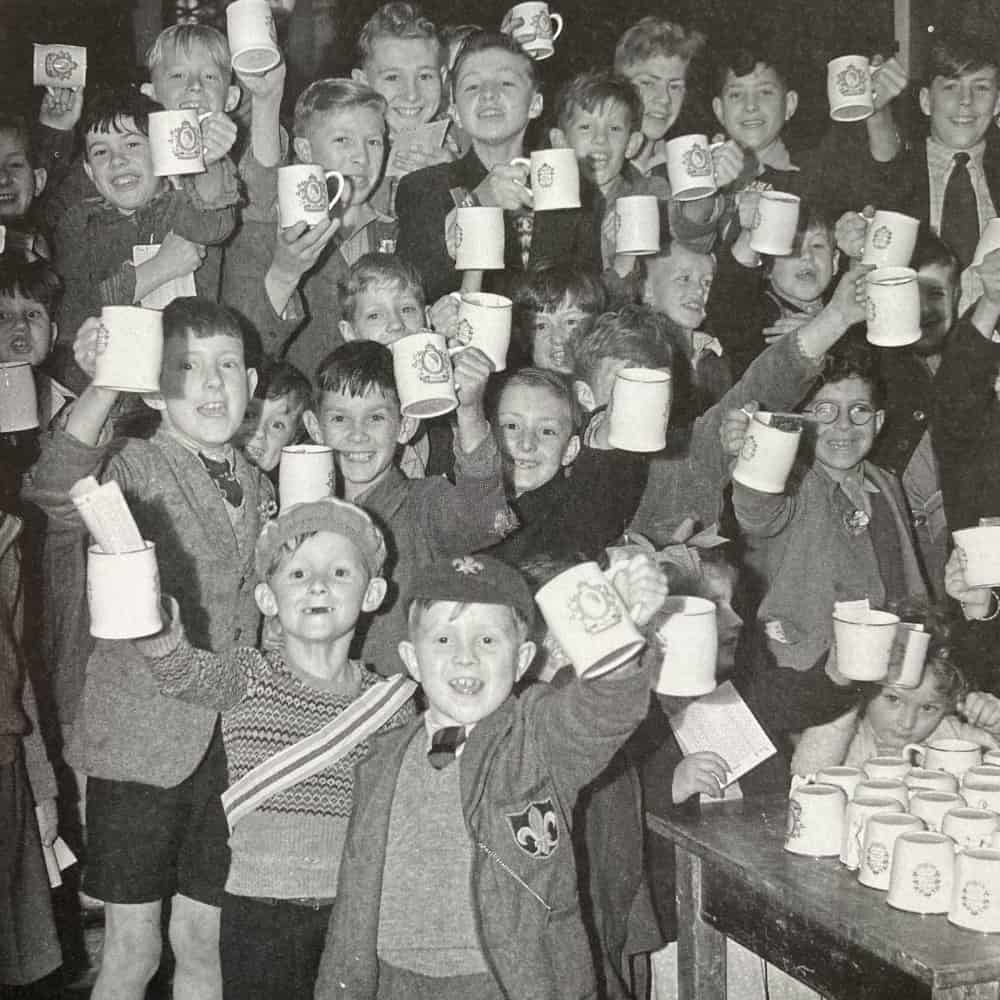
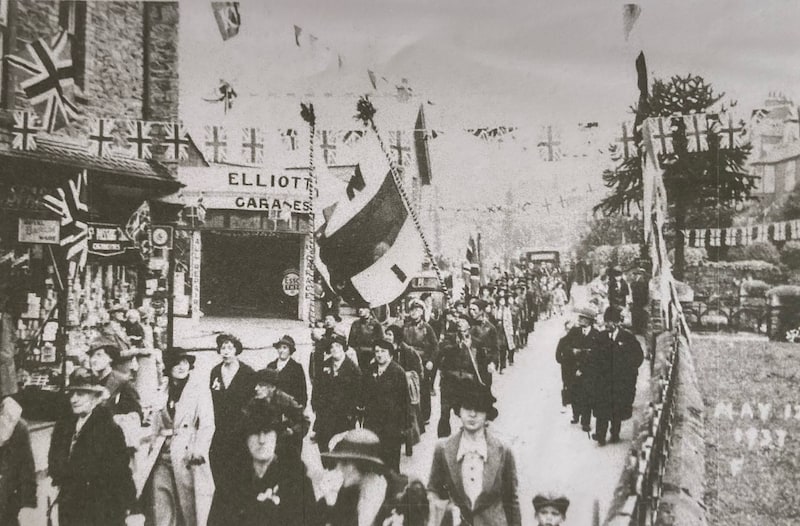
The Lyn and Exmoor Museum explores the rich history of past coronations and celebrations, to celebrate King Charles III’s coronation.
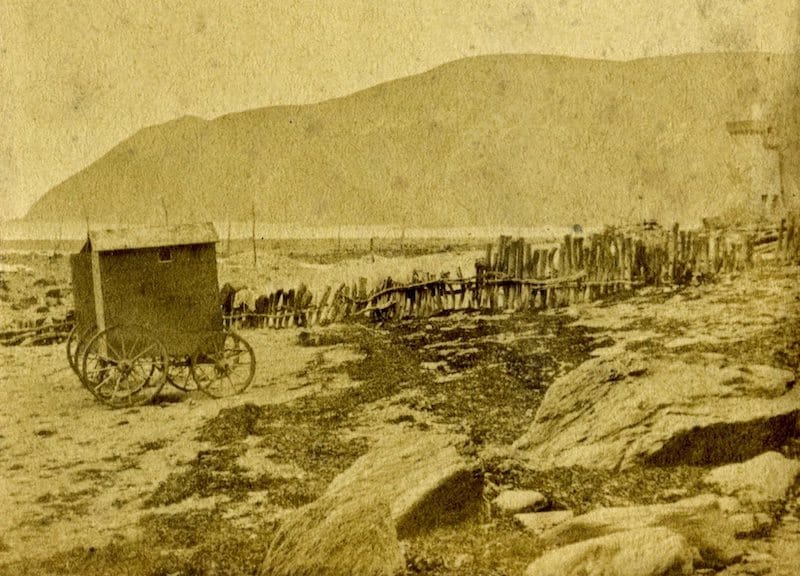
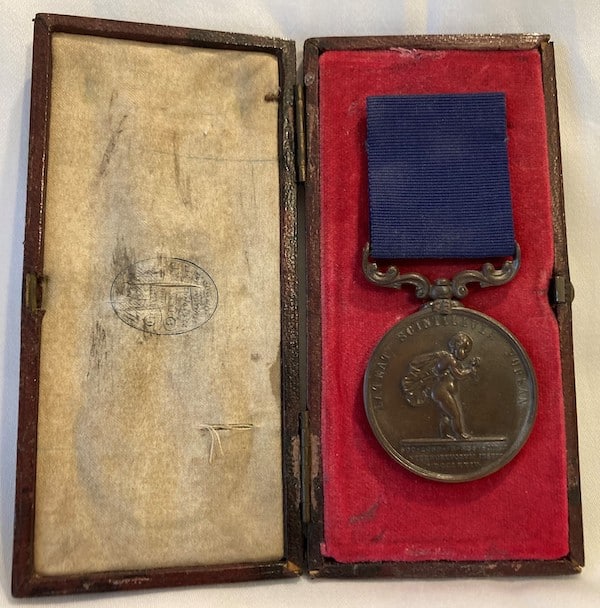
The Lyn and Exmoor Museum recounts the tale of Annie Lord, born in 1853, and heralded as a true Lynmouth Heroine.