

Experience North Devon’s Coast & Countryside
North Devon: A Place That Rewards the Curious
North Devon is where coast, countryside and moorland meet. A landscape shaped by the Atlantic, edged by Exmoor, dotted with harbour towns, surf beaches, wooded valleys and easy-to-love villages. It’s quieter than the south of the county, less commercial, and full of places that reveal themselves when you take the time to look. This is Devon’s wilder side — and it rewards the curious.
The North Devon Coast: Big Views, Open Space, Atlantic Energy
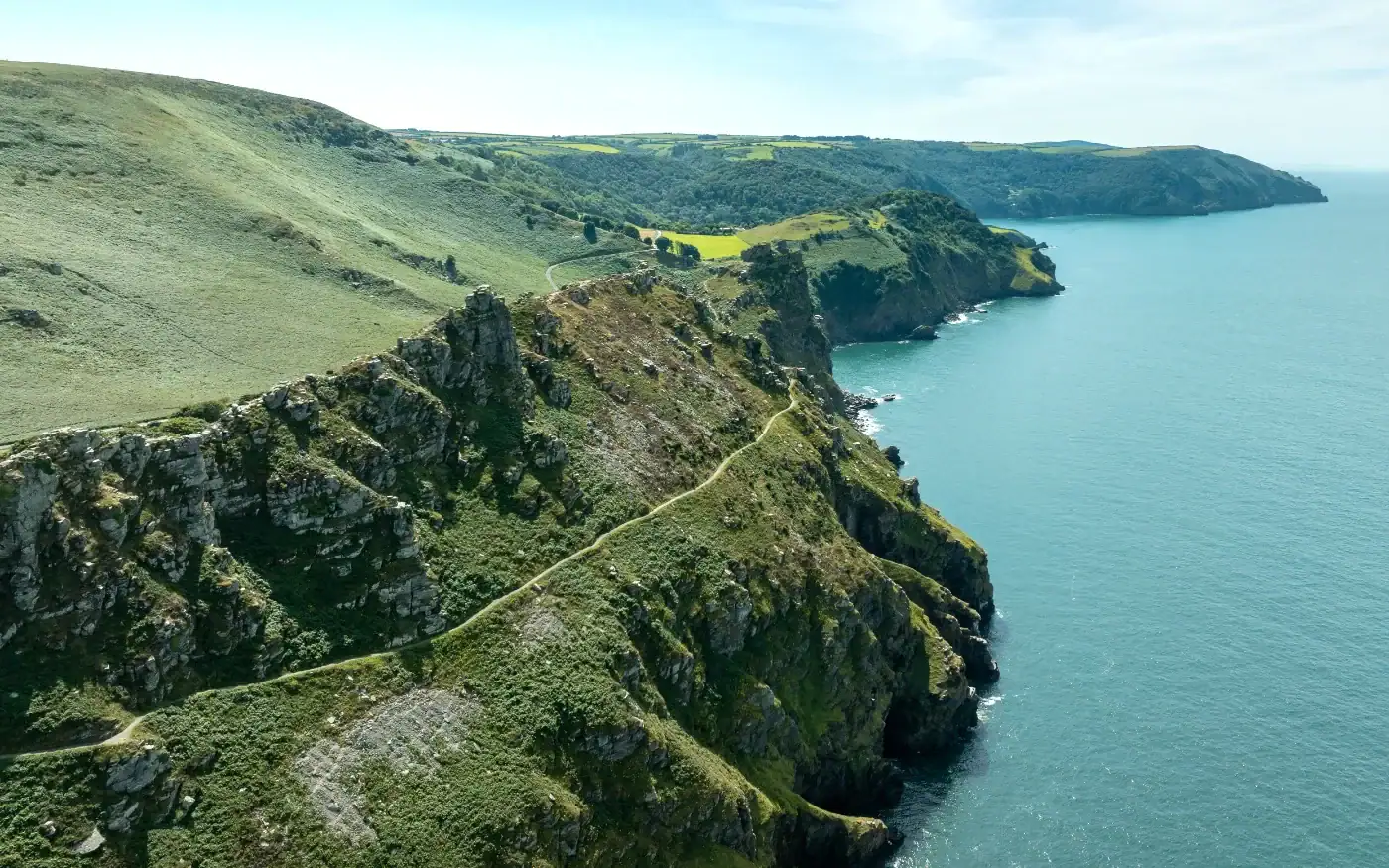
North Devon’s coastline is one of the most varied in the South West: long sandy bays in the west, high cliffs and steep combes in the east, and a run of harbours and coves between the two. It’s a coastline made for walkers, photographers, slow travellers and anyone who wants space to breathe.
The South West Coast Path runs right through it — mile after mile of high cliffs, sea mist, rugged steps, calm ridges and sweeping bays. Some stretches feel remote and wild; others dip straight into small towns, surf beaches or riverside paths.
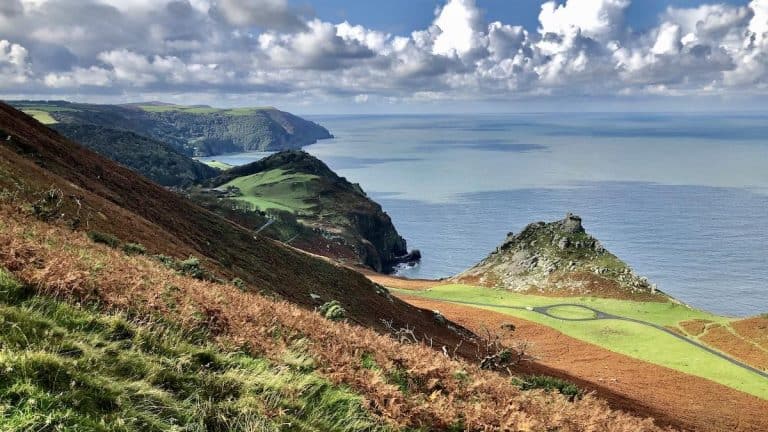
To the east, the character shifts. Here the cliffs rise sharply as the land meets Exmoor National Park: heather, oak woods, deep valleys and some of the highest sea cliffs in England.

Devon’s Wilder Side: How North Devon Differs from the South
Visitors often meet Devon through the Riviera towns and busy resorts of the south. Cross the county and the picture changes completely.
North Devon is:
Less crowded
Fewer resorts, more wide-open coast, more peaceful beaches
More dramatic
Higher cliffs, deeper valleys, Exmoor almost plunging into the sea
Less commercial
More independents, small producers, makers and family-run businesses
Off the beaten track
The reward for going further is a deeper sense of place
If you’ve explored South Devon, North Devon is what you discover when you’re ready for something wilder, more open, and more surprising.
Lynton & Lynmouth: North Devon in a Single View
At the heart of the eastern coast sit Lynton and Lynmouth, twin villages linked by cliffs, rivers and sea.
Valley of Rocks
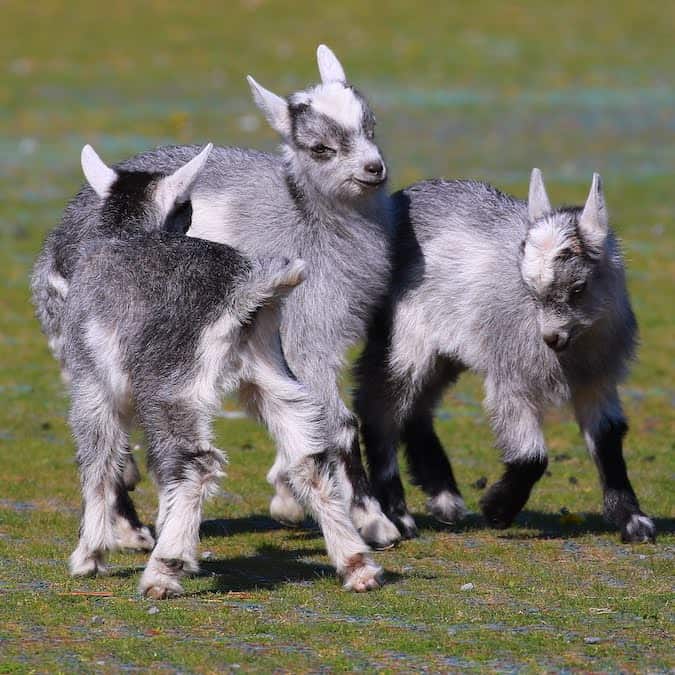
One of North Devon’s most recognisable landscapes — jagged outcrops, goats on the slopes, a high coastal path with views straight into the Bristol Channel.
Lynton & Lynmouth Cliff Railway
A Victorian water-powered railway climbing the cliff between the harbour and the town above — a symbol of engineering imagination and the area’s character.
Watersmeet
Steep wooded valleys lead inland towards Watersmeet and the Exmoor combes.
Everything in one place
The whole area feels close-knit yet expansive: sea below, moor above, rivers threading between the two.
Lynton & Lynmouth are your natural base for exploring the eastern North Devon coast, Exmoor’s edge, and some of the region’s finest walking.
Towns, Harbours and Villages to Explore
North Devon is full of places worth detouring to — the kind of detours curious travellers love.
Each has its own rhythm: fishing boats creaking at low tide, local markets, quiet backstreets, beaches that stretch for miles, or small sheltered coves tucked into the cliffs.
Things To Do in North Devon: Walk, Wander, Surf, Explore
North Devon combines big outdoor days with gentle pottering and slow food moments.
Walking & Running
South West Coast Path (short hops or long days)
Exmoor’s combes, high ridges and woodland trails
Watersmeet, Heddon Valley and Trentishoe’s cliff paths
Valley of Rocks and Hollerday Hill for easy-access views
Cycling
Tarka Trail – traffic-free, flat and scenic along old railway lines and estuary edges.
On the Water
Surfing at Woolacombe, Saunton, Croyde
Kayaking, sea safaris, paddleboarding
Boat trips to Lundy Island for wildlife, cliffs and an entirely different pace of life
Nature & Wildlife
Red deer, Exmoor ponies, coastal birds
Dark skies over North Devon & Exmoor — some of the clearest night skies in the UK
- North Devon Biosphere – a world-class environment of nature, dunes, grassland and moors
Makers, Food and Independent Spirit
North Devon’s character comes from the people who live and create here.
Independent cafés, bakeries, smokehouses and farm shops
Local butchers, fishmongers, chocolatiers and producers
Artists, potters, woodworkers and small galleries
Makers who build on tradition: textiles, glass, photography, ceramics
You feel the independence everywhere — small, thoughtful businesses run by people who know exactly why they chose to live here.
Seasons in North Devon: A Year with Its Own Rhythm
North Devon works beautifully year-round:
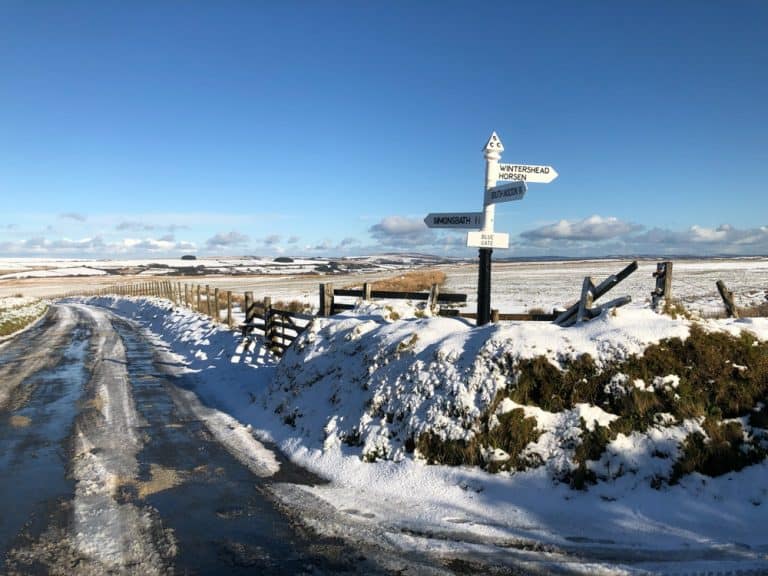
If you enjoy slower, calmer travel — North Devon shines outside peak months.
Slow Travel: A Biosphere Built on Balance
Part of North Devon sits within the UNESCO Biosphere, a landscape that blends wildlife, towns, farms and coast in a single living system. It encourages travel that’s mindful, local and rooted in place.
This approach fits perfectly with the North Devon character — balanced, thoughtful and quietly confident. Discover more about the North Devon Biosphere.
Plan Your Trip to North Devon
Whether you base yourself in Lynton & Lynmouth, roam the Atlantic beaches or head onto the moor, North Devon gives you space, variety and a sense of discovery.
North Devon rewards the curious — and there’s plenty waiting when you get here.
Frequently Asked Questions
Where is North Devon?
North Devon sits on the county’s Atlantic coast, stretching from Hartland in the west to Lynton & Lynmouth on the Exmoor edge. It includes surf beaches, harbour towns, estuaries and steep combes leading into the moor.
What makes North Devon different from South Devon?
North Devon is quieter, more open and more dramatic. High cliffs, deep valleys and Exmoor’s wild edge replace the Riviera-style resorts of South Devon. It feels less commercial and more off the beaten track — ideal for curious travellers.
What are the must-see places in North Devon?
Highlights include Lynton & Lynmouth, Valley of Rocks, Woolacombe and Saunton beaches, Ilfracombe harbour, Clovelly, Heddon Valley, Watersmeet, the Tarka Trail and Lundy Island.
Is North Devon good for walking?
Yes — it’s one of the UK’s best walking regions, and bursting with nature. The South West Coast Path runs the full length of the coast, and Exmoor offers woodland valleys, high ridges and quiet moorland routes.
How do I get around North Devon?
A car gives the most flexibility, especially for remote beaches and moorland. Buses connect major towns, and the Tarka Trail provides long, flat cycling routes. Walking routes link many coast and valley areas.
Where should I stay to explore North Devon?
Lynton & Lynmouth make a strong base for the eastern coast and Exmoor. Woolacombe, Croyde and Saunton suit beach-focused stays. Barnstaple and Bideford offer central access for wider touring.
What is the best time to visit North Devon?
North Devon works year-round. Spring and autumn offer peaceful coast paths and mild weather. Summer brings warm seas and lively harbours. Winter is quiet, atmospheric and ideal for walking, cosy stays and dark-sky nights.
Is North Devon family-friendly?
Yes — beaches, boat trips, wildlife, safe cycling trails and accessible coastal walks make it great for families. Many attractions, cafés and villages are designed with relaxed, easy days out in mind. North Devon is also very dog-friendly too!